
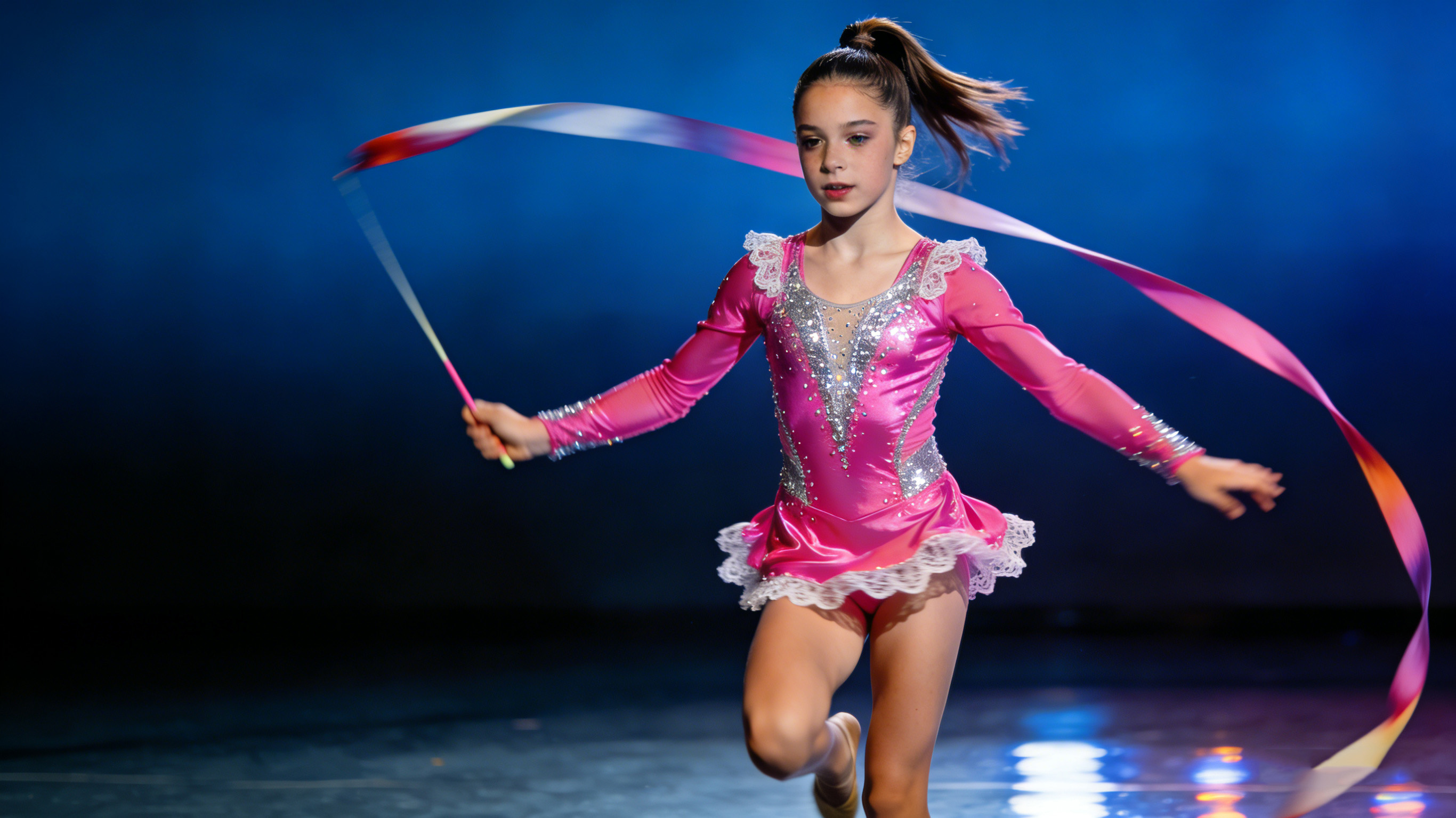
Rhythmic gymnastics is a captivating sport that blends elements of ballet, dance, and gymnastics to create a unique and enchanting performing art. This sport not only showcases athletes’ physical abilities but also their artistic expression and creativity. As a globally popular sport, rhythmic gymnastics combines elegance, flexibility, and coordination, making it beloved by participants and audiences alike.
At the heart of rhythmic gymnastics lies the use of various apparatuses, including ribbons, hoops, balls, clubs, and ropes. Each apparatus adds a different dimension to the choreography, allowing gymnasts to fully demonstrate their control. These movements blend seamlessly with the music, enhancing the overall aesthetic and enabling gymnasts to express emotions and tell stories through their physical actions.
One of the most distinctive features of rhythmic gymnastics is its emphasis on artistry. Unlike traditional gymnastics, which primarily focuses on technique and difficulty, rhythmic gymnastics also values the artistic interpretation of movements. This means that gymnasts must not only execute movements perfectly but also showcase graceful posture and elegant demeanor. Judges score athletes based on their technical execution, artistic expression, and the overall choreography of their routines, making rhythmic gymnastics a multifaceted sport requiring a variety of skills.
Rhythmic gymnastics training is rigorous and demanding. Athletes typically begin training at a young age, dedicating countless hours to honing their skills. Flexibility, strength, and coordination are integral parts of a gymnast’s training program. Stretching exercises, strength training, and dance classes are crucial for developing the physical qualities required for this sport. Furthermore, gymnasts must cultivate a high degree of focus and self-discipline, as the sport demands exceptional concentration and precision.
Rhythmic gymnastics competitions are held at various levels, from regional events to international championships, including the Olympics. Athletes can compete individually or in teams, showcasing their moves in front of judges and spectators. The passion of the competition adds to the sport’s allure, as gymnasts strive to break their personal bests and hope their hard work and dedication will be recognized.
One of the most appealing aspects of rhythmic gymnastics is its inclusivity. While the sport is often associated with female athletes, there is a growing trend encouraging male participation. This shift helps break down stereotypes and fosters greater diversity within the sport. As more boys join the sport, competition and performance formats are evolving, leading to more innovative routines and fresh perspectives.
In recent years, rhythmic gymnastics has actively embraced technology and social media, enabling athletes to share their journeys and engage with fans around the world. Platforms like Instagram and TikTok have become popular channels for gymnasts to showcase their skills, share training experiences, and inspire others to participate in the sport. This digital presence has increased the visibility of rhythmic gymnastics, attracted a wider audience, and fostered a sense of community among athletes.
In short, rhythmic gymnastics is a beautiful and dynamic sport that perfectly blends competitiveness and artistry. It challenges athletes’ physical limits while encouraging them to express themselves creatively. As the sport continues to evolve and gain popularity, it remains a testament to the dedication and passion of its participants. Whether as an athlete or a spectator, rhythmic gymnastics offers a unique, captivating, and exhilarating experience.