
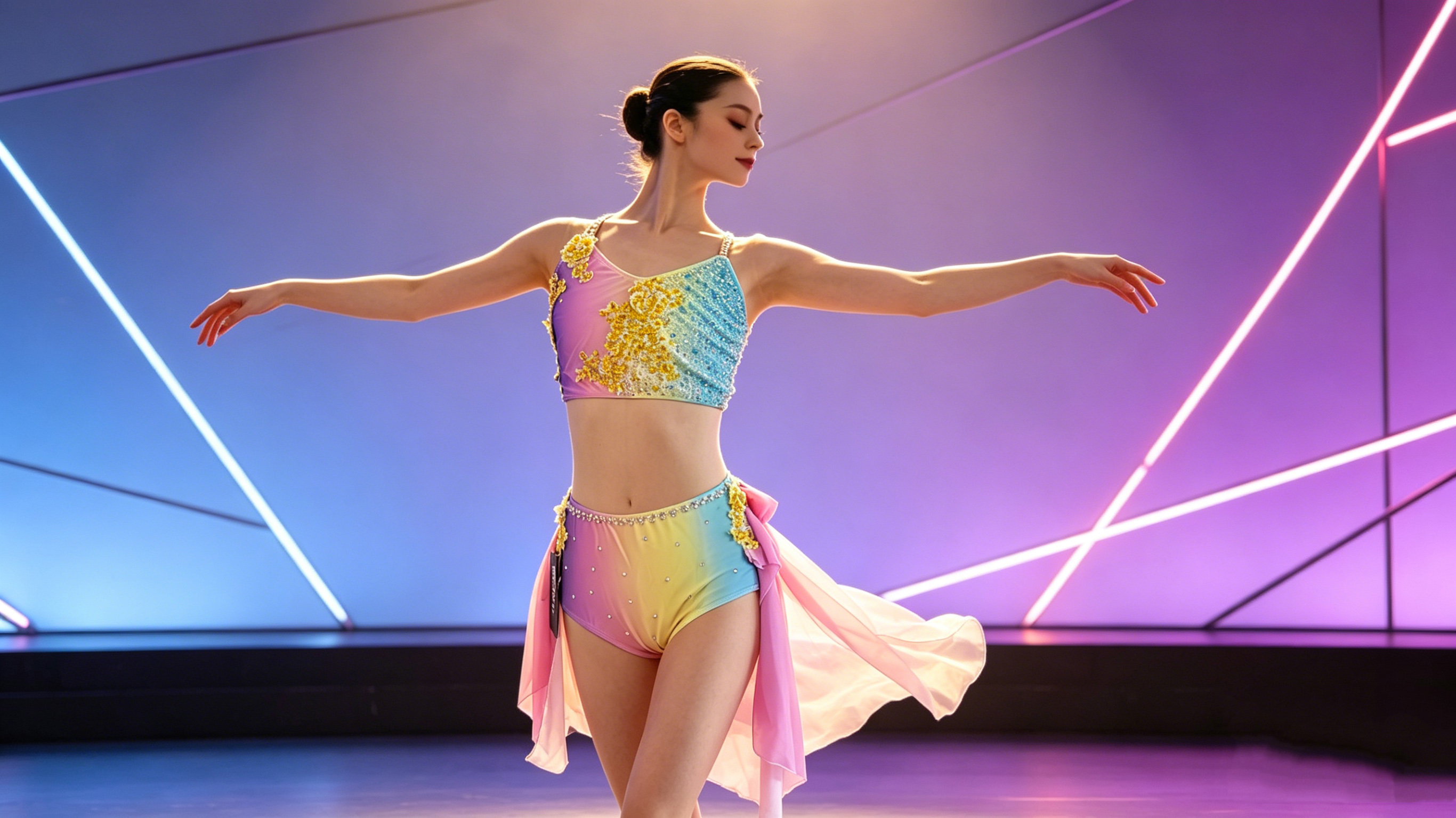
In stage performances, visual elements play a crucial role in conveying the story and emotions of a work. One of the most captivating aspects is the use of lyrical costumes, which can elevate a performance into a mesmerizing experience. Lyrical costumes are characterized by flowing fabrics, soft colors, and designs that evoke dynamism and elegance, perfectly complementing the fluidity of lyrical dance.
In lyrical dance performances, the dancers' costumes are not merely theatrical garments, but rather an extension of their emotional expression. The choice of costume can enhance the narrative of the performance, allowing the audience to more deeply experience the emotions conveyed by the dancers. For example, a dancer in a flowing, soft-toned dress can evoke a sense of tranquility and gentleness, while a brightly colored, dramatically expressive costume may convey passion and intense emotion.
The fabric of the lyrical dress also plays a crucial role in the overall aesthetic appeal. Fabrics such as chiffon, silk, and tulle create a light and airy feel, allowing dancers to move freely and gracefully. As they twirl and leap on stage, the skirts flow, forming beautiful visual patterns that captivate the audience. This dynamic interaction between movement and fabric is precisely what makes lyrical dance so enchanting.
Furthermore, costume design can reflect the theme of the performance. For example, costumes adorned with floral patterns may symbolize growth and rebirth, while darker tones may represent struggle or conflict. This skillful integration of costume design into the narrative adds richness to the performance, making it a truly immersive experience.
In short, elaborate costumes are an essential part of stage performances, enhancing the visual and emotional impact of dance. They enable performers to express their artistic talents in a way that resonates with the audience, thus creating unforgettable moments on stage.