
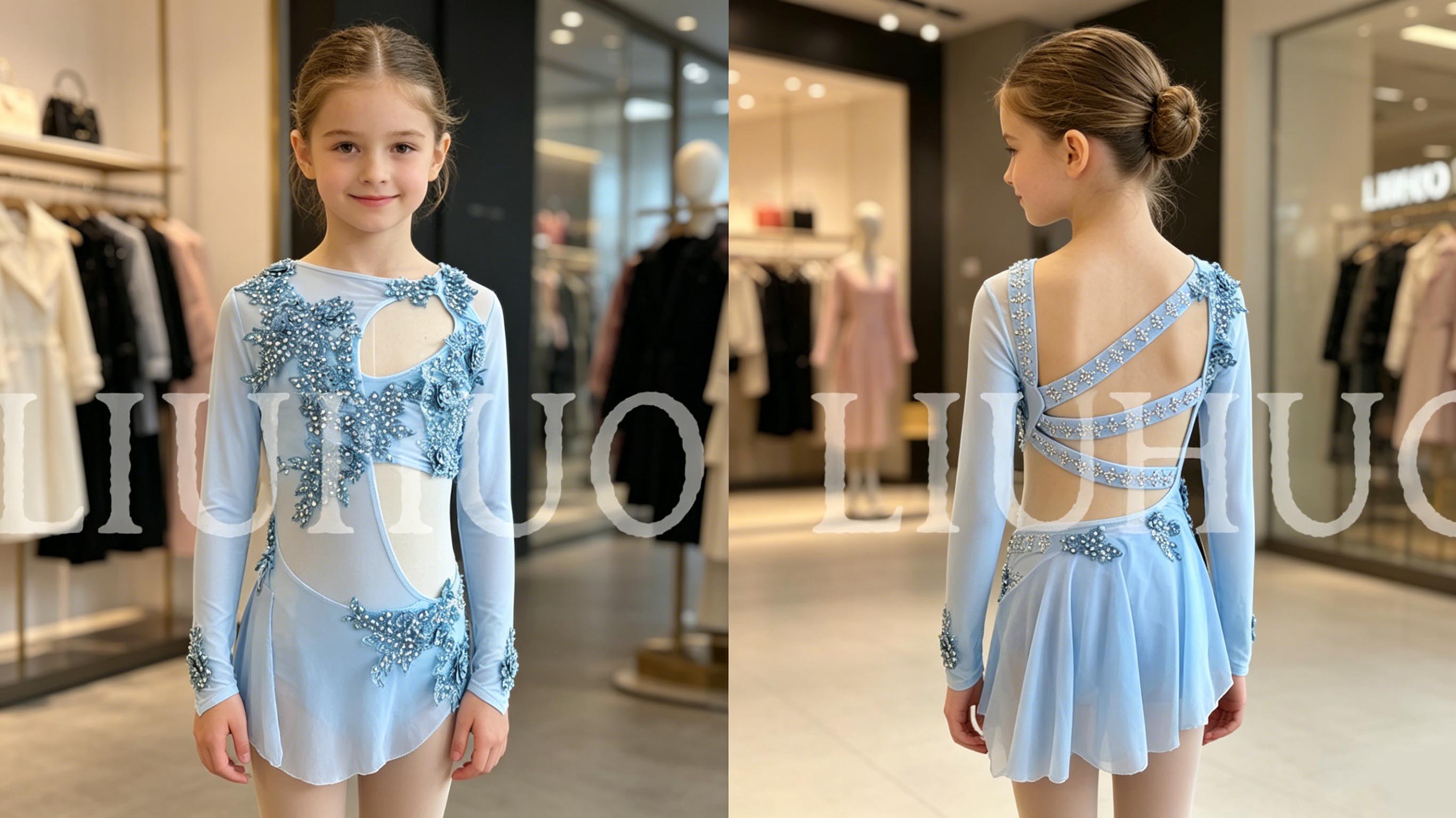
In stage performances, visual elements play a crucial role in conveying the story and emotions of a work. One of the most captivating aspects is the use of lyrical costumes, which can elevate a performance into a mesmerizing experience. Lyrical costumes are not merely about aesthetics; they embody the essence of the characters and the narrative, thereby enhancing the overall impact of the performance.
In dance and theater, costume choices significantly influence audience perception. Lyrical gowns, typically characterized by flowing fabrics, soft colors, and graceful silhouettes, allow performers to express their movements fluidly. The swaying of the skirt with each step evokes feelings of freedom, joy, or even sorrow, depending on the context of the performance. This dynamic interaction between performer and costume creates a captivating visual poetry.
Furthermore, lyrical costumes can symbolize various themes in a performance. For example, a dancer in a light, flowing dress might represent innocence, while darker, more structured clothing might convey power or conflict. The diversity of lyrical costumes allows them to weave rich and varied narrative tapestries, with each costume choice adding depth to the character's development.
In recent years, stage costume design has become increasingly innovative, incorporating technology and sustainability. From LED lights illuminating fabrics to environmentally friendly materials that reduce environmental impact, the evolution of costume design continues to push boundaries. This not only enhances the visual appeal but also aligns with the creativity and sense of responsibility that contemporary people strive for.
In short, elaborate costumes are an indispensable part of stage performances, serving as a powerful tool for expressing emotions and telling stories. When performers don these exquisite costumes, they transport the audience into a world where movement, emotion, and art intertwine, creating unforgettable moments on stage.